

Understanding Intersectionality: How Our Overlapping Identities Affect Mental Health

Updated: Sep 30, 2025

The term intersectionality was coined by legal scholar Kimberlé Crenshaw in 1989. It describes how a person’s multiple identities—such as gender, caste, class, religion, sexuality, disability, or region—interact to create unique experiences of advantage or disadvantage.
Think of a handwoven sari. Each thread—whether caste, gender, class, or religion—crosses and overlaps with others. The final fabric cannot be separated into single threads; its strength and pattern come from how they all meet. Similarly, our identities combine to shape how we experience stress, discrimination, and mental health challenges.
How Intersectionality Shows Up in Mental Health
"There is no thing as a single-issue struggle because we do not live single-issue lives." - Audre Lorde
Intersectionality affects mental health in subtle and complex ways. A woman moving from a rural area to a metro city may face stress from adapting to new social norms while also navigating gendered expectations around safety, appearance, and behaviour. The pressure of these overlapping challenges can result in chronic anxiety or self-doubt. Similarly, LGBTQIA+ individuals often face a dual burden of external stigma and internalized pressure from family expectations, which can lead to identity conflict, anxiety, or depression.
Access to resources also intersects with identity. People with overlapping marginalized identities—such as disability and low-income background—may struggle to access healthcare, therapy, or education, compounding stress and feelings of helplessness.
At the same time, navigating multiple identities can foster resilience. People who experience layered challenges often develop unique coping strategies, adaptability, and creativity. Recognizing these strengths is an important part of therapy, helping individuals build on the skills they already have while addressing areas of stress.
Why This Matters for Therapy
Therapists who apply an intersectional lens consider the full context of a person’s life, exploring how identities intersect to affect mental health. They recognize that discrimination, social expectations, and privilege all influence emotional well-being. Therapy can then be tailored to these realities, offering validation for experiences that may have been dismissed by family, society, or peers
For example, a Dalit student in an elite urban college may struggle with academic pressure, subtle caste-based bias, and financial stress. In therapy, they can find space where all three experiences are named and validated. A counselor might help them manage performance anxiety, while also building coping strategies for microaggressions and exploring support systems that reduce feelings of isolation.
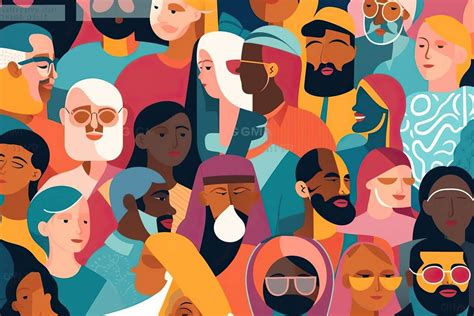
By weaving together these multiple realities, intersectional therapy offers not just coping skills, but also validation, resilience-building, and strategies that honor the full fabric of a client’s life.
Applying Intersectionality in Daily Life
Understanding intersectionality is not only a tool for therapists—it can help anyone reflect on their own life and relationships:
Reflect: Am I judging someone based only on one part of their identity? Can there be other layers of their experience that I am overlooking?
Listen: When someone shares their struggles, remember they may be carrying multiple burdens at once. Listening with openness can make people feel truly seen.
Act: If you are in a position of privilege, use it to help others by amplifying voices, offering support and challenging unfair practices.
In India, where diversity is vast, using an intersectional lens helps us move beyond surface-level understanding. It pushes us to build communities, workplaces, and relationships that are more compassionate and just.
If this article resonated with you, therapy can provide a safe space to explore your own experiences.
Start your mental health journey with a short call.
This blog is for educational purposes only and is not a substitute for professional mental health care. If you are in crisis, please seek immediate support from trusted local services or helplines.


Comments